Get More Customers
How to Get More Customer Referrals (Without Feeling Pushy)

How do you get more referrals? You ask at the right moment, you make it easy to pass you on, and you thank people every single time.
That's it. No scripts that make you cringe. No discount codes that cheapen your work.
Most small businesses and independent professionals already live on word of mouth.
But here's the thing.
Almost nobody runs it. They wait for it.
And waiting means your best source of new customers depends on luck — on whether a happy client happens to remember your name at a dinner party.
Let's fix that.
Why referrals are the best customers you'll ever get
A referred customer shows up already half-convinced.
Someone they trust has vouched for you. So they skip the part where they compare you to five competitors.
That changes everything downstream:
- They decide faster. The trust question was answered before they called.
- They argue less on price. They came for you, not the cheapest option.
- They refer others too. People who arrive through a recommendation tend to recommend.
And they cost you nothing to acquire.
No ad spend. No lead fees. Just a good job and a well-timed question.
So why do so few businesses get as many as they could?
The real reason you're not getting more referrals
It's not that your customers don't like you.
It's one of these three things:
- You never asked. Happy customers don't wake up thinking about your business. They're busy.
- You asked at the wrong time. "Know anyone who needs a plumber?" on the day you send the invoice lands flat.
- You made it hard. They wanted to recommend you, but had nothing to send. No link. No page. Just "uh, I think his name was Mike?"
Notice something?
None of those are about the quality of your work. They're all about the system around it.
Which is great news. Systems can be fixed in an afternoon.
Step 1: Ask at the "peak moment"
Every customer relationship has a moment where they're happiest with you.
That's when you ask. Not before. Not three weeks later.
The peak moment looks different by business:
- A plumber or electrician: right after the problem is fixed and the customer sees it working.
- A dentist or chiropractor: when a patient says they feel better, or thanks you at the desk.
- A consultant or accountant: when you deliver the result — the plan, the savings, the filed return.
- A restaurant or café: when a regular tells you it's their favorite spot.
When someone says something nice, that's your cue.
Because they've just told you they'd recommend you. You're only asking them to do it.
Step 2: Use words that don't feel like a sales pitch
Here's where most people freeze.
They think asking for a referral sounds needy. So they don't.
But a good referral ask doesn't sound like selling. It sounds like this:
"I'm really glad this worked out. Most of my work comes from people like you telling a friend — so if anyone you know ever needs this, I'd love to help them too."
Short. Honest. No pressure.
A few more versions you can adapt:
- For trades: "If a neighbor ever has the same problem, feel free to pass my number on. I'll take good care of them."
- For professionals: "If you know someone else going through this, I'm happy to have a quick call with them — no obligation."
- For a shop or restaurant: "Thanks for coming back. If you ever bring a friend, tell them to say hi."
Notice what's missing.
No discount. No "5 referrals and you win." Just a clear, friendly invitation.
Step 3: Make passing you on effortless
This is the step almost everyone skips.
Curious what yours would look like?
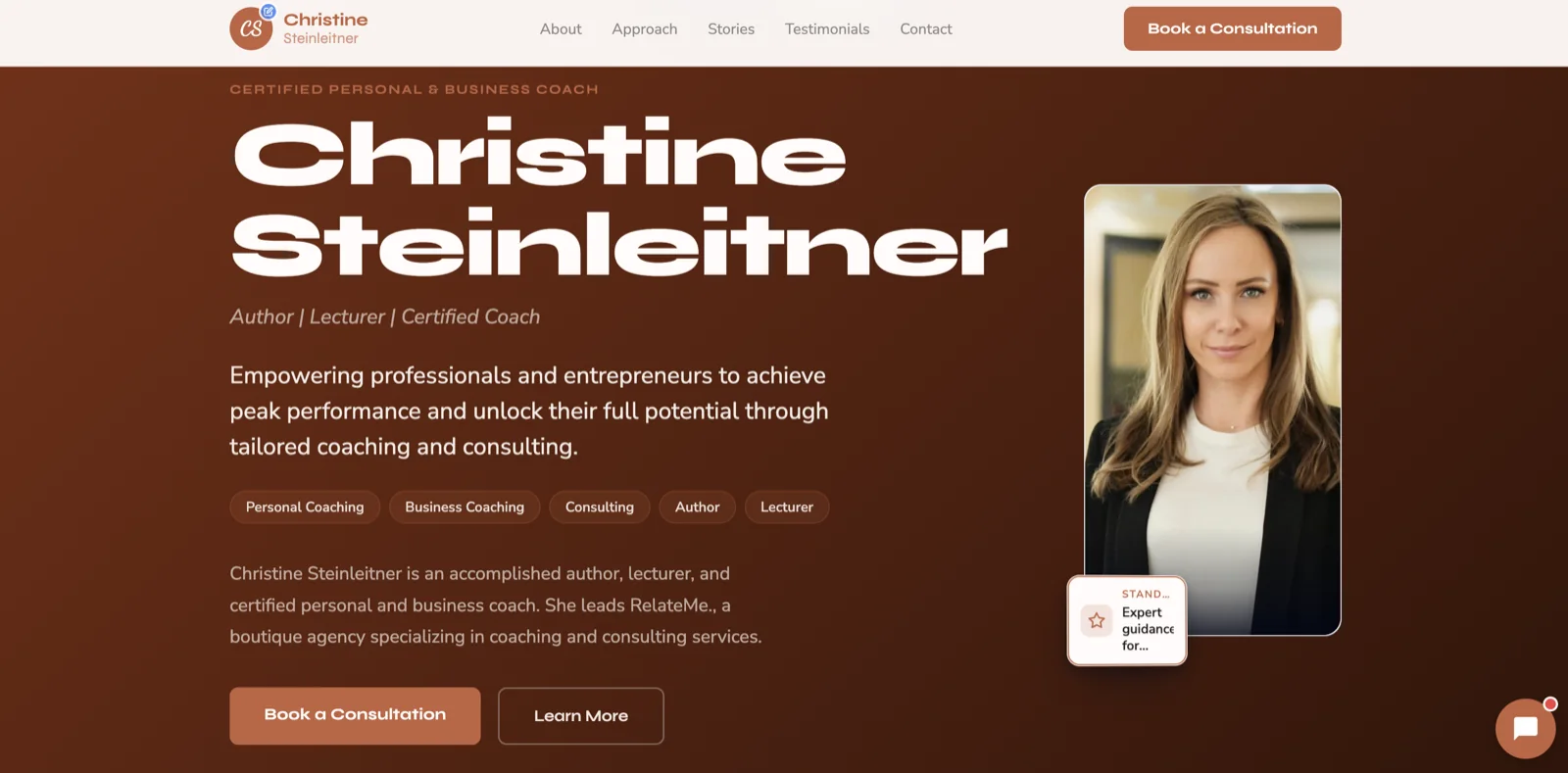
Local business or professional — Neuro builds your site from your own data in about 60 seconds.
Build my demo in 60 seconds →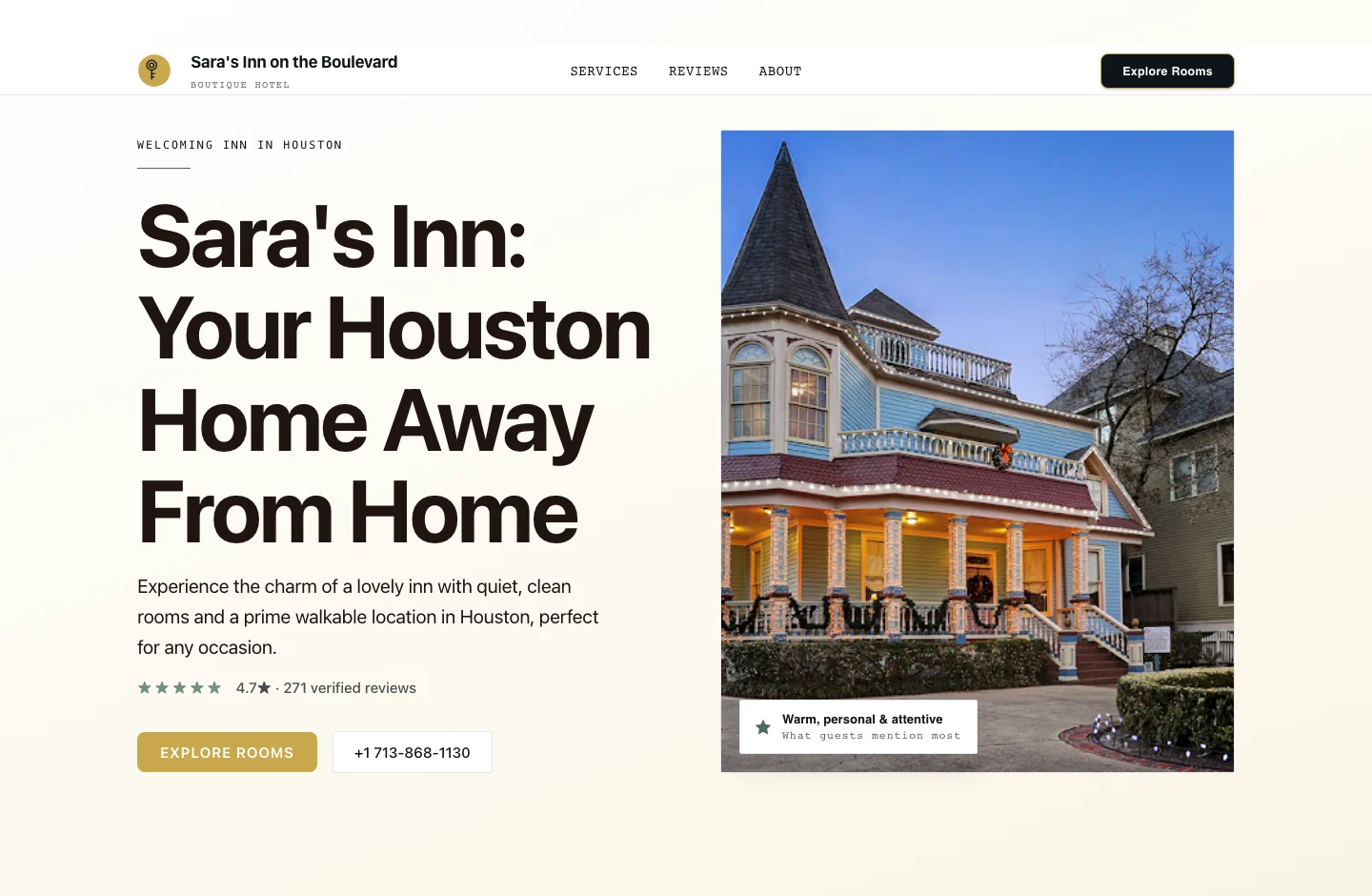

Your customer says, "Sure, I'll tell my sister."
Then their sister asks, "What's their website?"
And... there isn't one. Or it's a Facebook page last updated in 2021. Or a link that doesn't work on a phone.
The referral dies right there.
A referral is only as strong as the thing it points to. So give people something worth sending:
- One link. A single page with what you do, where you work, your reviews and a way to contact you.
- Easy to text. Most recommendations happen in a group chat, not over coffee. Your link should look good when pasted into a message.
- Proof on the page. The friend hasn't met you. Your reviews do the vouching for you.
- An obvious next step. Call, book or request a quote — right there, no hunting.
This is the same reason reviews alone aren't enough without a website: trust needs somewhere to land.
Step 4: Thank every referral — every time
This is the part that turns one referral into five.
When someone sends you a customer, thank them. Quickly and personally.
- A short text: "Your friend Sarah called today — thank you, that means a lot."
- A handwritten card for a big one.
- A small, unconditional gift for your best referrers — a coffee, a free add-on next visit.
Why does this matter so much?
Because the person who referred you took a small social risk. They put their name behind yours.
When you close the loop, they learn two things: you took care of their friend, and you noticed.
People repeat what gets noticed.
Should you offer a referral reward?
Sometimes. But be careful.
Rewards work best when:
- The purchase is big enough that a reward feels proportionate (roofing, legal work, a gym membership).
- The reward is the same whether or not the friend buys — so it feels like a thank-you, not a bounty.
- Both sides get something ("You and your friend each get a free month").
Rewards backfire when:
- Your work depends on trust — healthcare, legal, financial advice. A cash reward can make a recommendation feel bought. Check your industry's rules before offering anything.
- The reward is so small it feels insulting.
- It becomes the only reason people refer you.
The thank-you matters more than the reward. Start there.
Step 5: Stay in touch so they remember you
Here's an uncomfortable truth.
Your happiest customer from six months ago may have already forgotten your name.
Not because they didn't love your work. Because life is busy.
Referrals come from people who remember you at the moment a friend needs you. So you need to stay lightly present:
- A short email every month or two — a tip, a seasonal reminder, a before-and-after. Not a sales blast. (Here's how to win back past customers with email.)
- Social posts that show your work, so you pop up in their feed now and then.
- A reply to every review, which also shows future customers you care. (How to reply to Google reviews.)
You don't need to be everywhere.
You just need to not disappear.
Turn referrals into a simple monthly habit
Put this on your calendar. It takes 20 minutes a month:
- List your happiest recent customers. Who said something nice this month?
- Ask the ones you haven't asked yet — using the words above.
- Thank anyone who referred someone. Same week.
- Check your link. Does your website still show your latest work and reviews? Does it load on a phone?
- Send one helpful email to past customers.
That's a referral system.
And it beats waiting for luck, every time.
Frequently asked questions
When is the best time to ask for a referral?
How do I ask for referrals without sounding pushy?
Should I pay customers for referrals?
How do I make it easy for customers to refer me?
How do I thank someone for a referral?
How many referrals should a small business expect?
See what Neuro would build for you
Build your demo from your own data in about 60 seconds — then watch your AI team take it live and grow it.
Build my demo in 60 seconds → Explore the showcase