Getting Found
Do Small Businesses Really Need a Website in 2026?
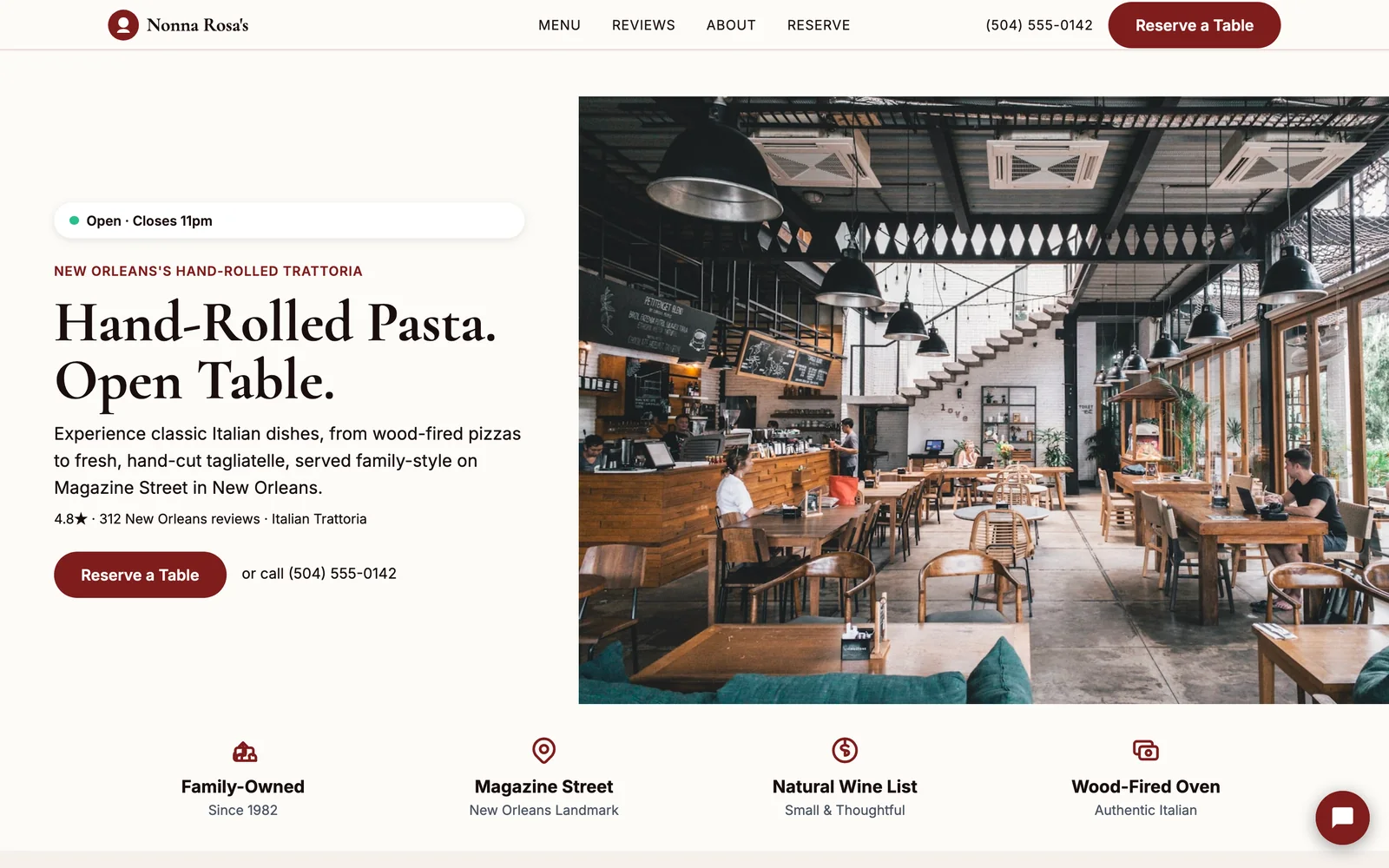
Does my business need a website?
Short answer: it depends.
Longer answer: for a while, plenty of businesses genuinely do fine without one.
But most hit a ceiling. And this post will show you exactly how to tell which one you are.
No hype. No "every business needs a website in 2026 or you're doomed."
Just the honest version — the real cases where you can skip it, and the specific moments that tell you it's time.
The honest "no" cases — where a website really isn't the priority
Let's start here, because most articles skip it.
If you're fully booked from word of mouth alone, a website won't add much right now.
Think about a hairstylist with a two-month waitlist. Every new client comes from a past client.
She's not losing anything by not having a site. Her time is already sold.
If your whole business lives on one platform, and that platform is working, a separate site can be redundant.
A food truck that gets 100% of its orders through a delivery app. A tutor who's booked solid through a single tutoring marketplace. A wedding photographer whose entire pipeline comes from Instagram DMs.
In each case, the platform is the storefront. Building a second one is extra work for something that isn't broken.
If you're not trying to grow right now, you don't need growth infrastructure.
A retiring owner coasting to a sale. A seasonal side business that isn't trying to scale. A shop that's intentionally small because the owner likes it that way.
None of these are wrong. A website is a tool for a job — getting found by people who don't already know you, and converting them once they look you up. If that job doesn't exist for you yet, don't buy the tool.
So if any of that sounds like you, feel free to stop reading, or come back to this next time you take on new customers.
For everyone else, keep going — because the "no" cases above have one thing in common, and it's worth naming.
They all depend on something staying exactly the way it is. The waitlist stays full. The platform keeps sending orders. The owner never wants more. The moment any of that shifts, the calculation changes.
The referral problem: people still google you before they call
Here's the part that surprises a lot of owners.
Word of mouth doesn't end at the recommendation. It ends at the search bar.
Someone tells their neighbor, "Call Mike, he redid our kitchen." The neighbor doesn't call Mike. Not yet.
She pulls out her phone and searches his name, or "kitchen remodeler near me," just to check he's legit before she gives him her number.
If Mike has a website, she sees his work, his reviews, and a way to reach him — in ten seconds. She calls.
If Mike has nothing, she sees a competitor who does have a site. And she calls the competitor instead.
The referral still happened. It just died at the search bar.
This is the quiet way a "no website is fine, I get all my business from referrals" business slowly loses referrals it never even knew it had. Nobody tells you they searched and picked someone else. They just don't call.
We wrote a longer breakdown of exactly why this keeps happening in why customers can't find you online — worth reading if this section rang a bell.
Reviews convert better sitting next to a real page
You might already have great reviews. A 4.8 on Google, dozens of them.
Curious what yours would look like?
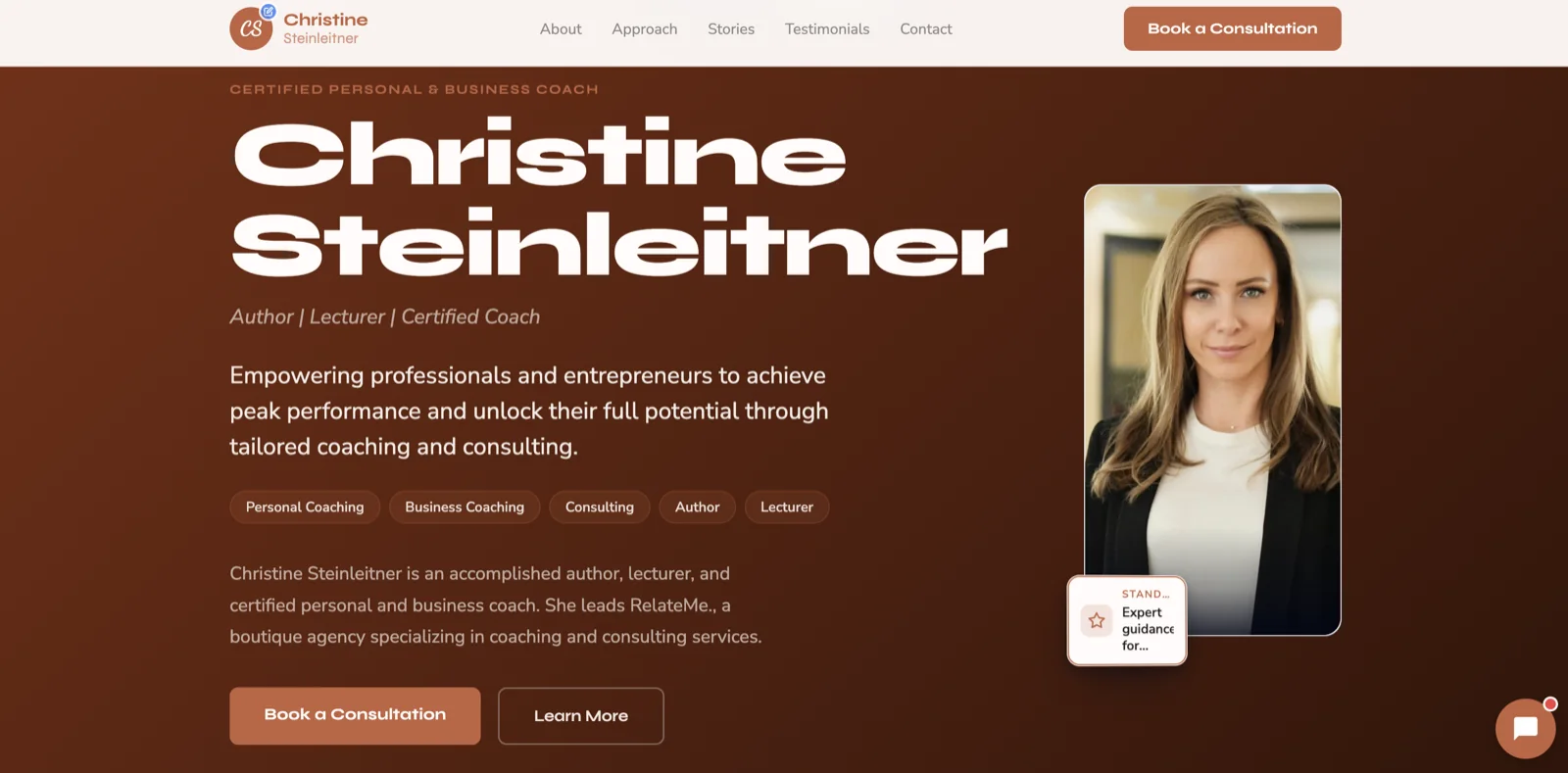
Local business or professional — Neuro builds your site from your own data in about 60 seconds.
Build my demo in 60 seconds →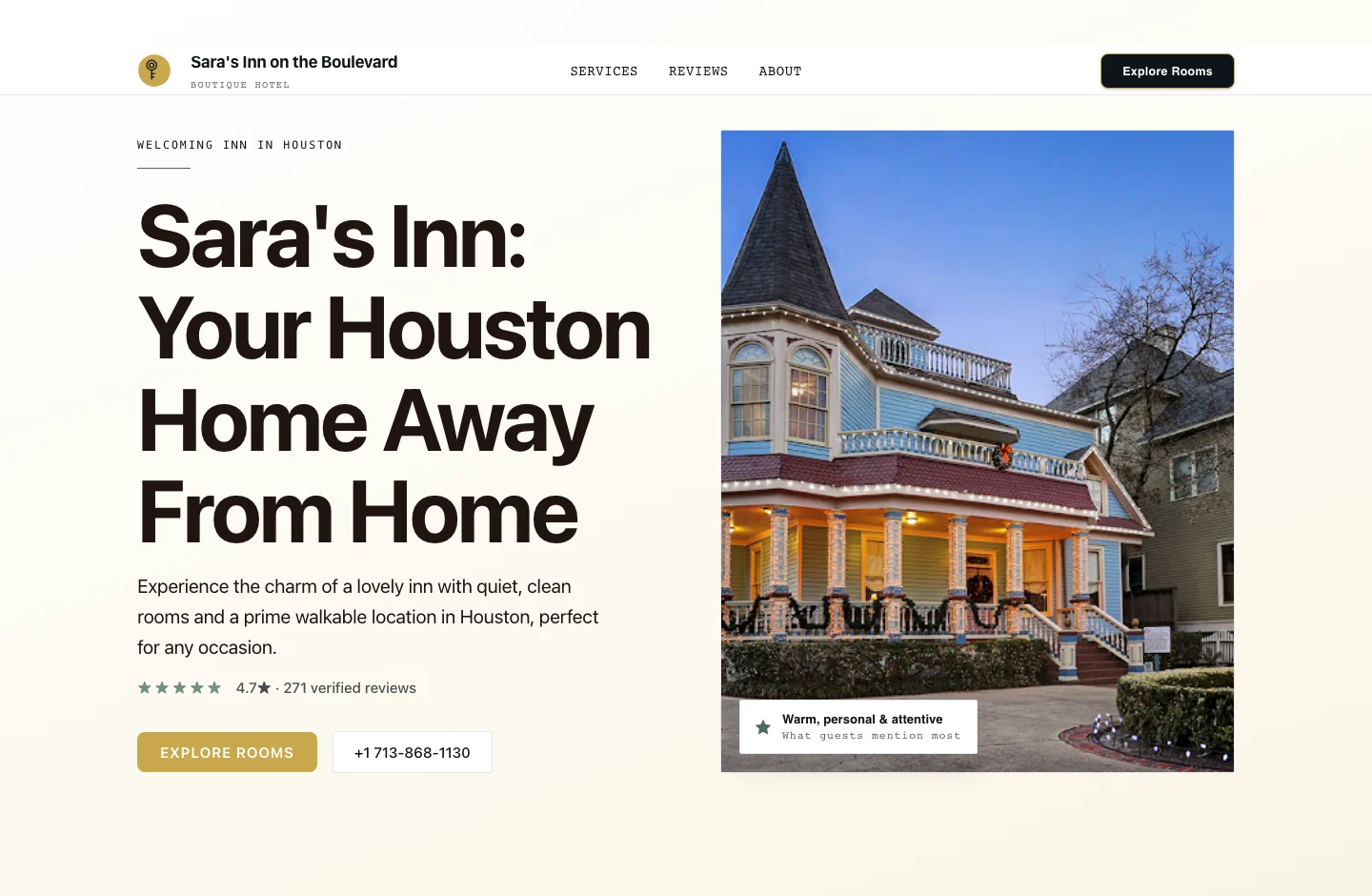

That's real proof. But proof works better in context.
A star rating on a bare map listing tells a stranger other people liked this business. It doesn't tell them what you actually do, what you charge, or what to expect.
Put that same rating next to real photos of your work, your hours, and a clear "book now" — and it stops being a rating. It becomes evidence.
The review does the convincing. The page does the closing.
This is exactly where a restaurant with a five-star reputation and no menu online loses a table it should've won — we cover the specific version of that mistake in restaurant website mistakes.
The platform you don't own can change without asking you
This is the argument nobody wants to hear, because it's inconvenient.
Every platform you rely on — a marketplace, a social app, a directory — is a business with its own goals. Not yours.
It can change its algorithm and quietly bury you. It can raise its fees. It can add a competitor's ad right above your listing. It can change its policies and suspend your account over a misunderstanding, with a support ticket as your only recourse.
None of that is hypothetical. It's just how rented space works.
A website is the one thing online that's actually yours. Nobody can de-rank it out of existence, charge you more to keep the same customers, or delete it because a policy changed.
That doesn't mean drop the platforms — they're often where your customers already are, and that's a real reason to keep using them. It means don't build your entire reachability on land you're borrowing.
The specific signs you've outgrown "I don't need one"
Here's how to tell if you've crossed the line, without guessing.
- Someone has asked, "Do you have a website?" — and you said no. That question is a customer telling you they were about to check you out further and hit a wall.
- You've lost a job to a competitor who "just looked more legit." If you've ever heard that secondhand, it usually means they had a page and you didn't.
- You want to grow past word-of-mouth and walk-ins. Referrals and foot traffic have a ceiling. A website is how you reach people who've never met anyone who's met you.
- You're spending money on ads or social posts that lead... nowhere. An ad that sends someone to a phone number, not a page, throws away most of the click.
- A real estate agent, contractor, or consultant needs to be found by name. Reputation-driven fields live and die on that first search — we go deep on this exact pattern in how real estate agents get more leads.
- You're already paying for a directory listing or boosted social post to be seen. If you're paying to be found, you're already treating visibility as worth investing in — a site is the more durable version of that same spend.
If two or more of those sound familiar, the honest answer to "do I need a website" has quietly become yes.
So, does your business need a website?
If you're fully booked, thriving on one platform, or not trying to grow — genuinely, not yet.
If people are searching your name before they call, if a competitor's page is starting to look better than your reputation, or if you want to grow past who already knows you — yes.
Not because a website is magic. Because it's the one piece of ground online that's actually yours, doing the quiet work of converting a search into a customer while you're busy running the business.
If you want to see what that looks like for a business like yours, browse a few real examples built from real reviews and real photos — no guesswork required.
Frequently asked questions
Is a Google Business listing enough instead of a website?
How much does a small business website cost?
Can social media replace a website?
What if I only get customers from referrals?
Do I need a website if I already rank well on a marketplace app?
What's the fastest way to get a basic website if I decide I need one?
See what Neuro would build for you
Build your demo from your own data in about 60 seconds — then watch your AI team take it live and grow it.
Build my demo in 60 seconds → Explore the showcaseJust need the website itself — no ongoing marketing? See Essential — $39/year →