AI Search
How AI Search Is Changing How Customers Find Local Businesses
AI search for local business discovery means customers are asking an assistant a direct question — "who's a good dentist near me" — instead of typing keywords into Google and scrolling a list of links.
The assistant doesn't hand back ten options.
It picks one. Maybe two.
And if your business isn't the one it names, it doesn't matter how good you are. The customer never finds out.
Here's what's actually changing, why it changes the rules, and what still hasn't moved an inch.
The habit is shifting quietly, one search at a time
Nobody woke up one day and switched off Google.
It happened slower than that — and it's still happening.
A customer who used to search "plumber Denver" and click through three sites now just asks: "who should I call for a burst pipe in Denver, someone available today."
They ask it in a chat app. They ask it through their phone's voice assistant. They ask it inside the AI panel that now sits at the top of a regular Google search.
Same intent. Completely different path to an answer.
The search bar used to be the whole interaction. Now it's often just the first click in a longer conversation with an AI.
And a conversation doesn't behave like a search results page.
Why "page one" isn't the finish line anymore
For twenty years, the goal was simple: rank on page one of Google, ideally in the top three.
That's still worth having. But it's no longer the whole game.
Here's the difference that matters.
A results page is a list. The customer scans it, compares a few options, and makes their own call.
An AI answer is a recommendation. The assistant already did the comparing. It hands the customer a name, not a menu.
That's a much smaller finish line — and a much higher bar to clear.
You're not competing to be one of ten blue links anymore.
You're competing to be the specific answer the assistant is willing to say out loud.
Think about what that means for a customer who's frustrated, in a hurry, or dealing with an emergency. They don't want ten options to sort through. They want one name they can trust and a number to call. The assistant is built to give them exactly that — which is exactly why only one or two businesses ever get mentioned.
What makes an AI assistant trust one business over another
An AI assistant isn't picking a favorite. It's reading what's available and repeating back what it can actually verify.
So it looks for a few specific things before it'll say your name:
- A real website, not just a listing or a social page. A Facebook page tells the assistant you exist. It doesn't tell it what you charge, what you do, or whether you're open Sundays.
- Information that answers the actual question. Services, service area, hours, pricing range — written in plain language, not buried in a photo caption from two years ago.
- Details that match everywhere. If your phone number on your website doesn't match your Google Business Profile, that's a small inconsistency to a human and a red flag to a machine trying to verify you're legitimate.
- Reviews and a track record. Proof that real customers vouch for you, and recently.
- Content that's current. A site last updated three years ago reads as a business that might not still be operating the way it says.
None of that is exotic. It's the basic information a business should have anyway.
The problem is most small businesses have it scattered — some on a social page, some only in the owner's head, some on a site untouched since it launched.
An assistant can't recommend what it can't confidently read. It's not being harsh. It's putting its own credibility behind the name it gives.
If you want the specific, step-by-step version of this — exactly what to add to your site and how to structure it so an assistant can quote it — we've written the tactical playbook here. This post is about the why. That one is the how.
A bare listing is not a readable business
This is the part that trips up a lot of owners, so it's worth saying plainly.
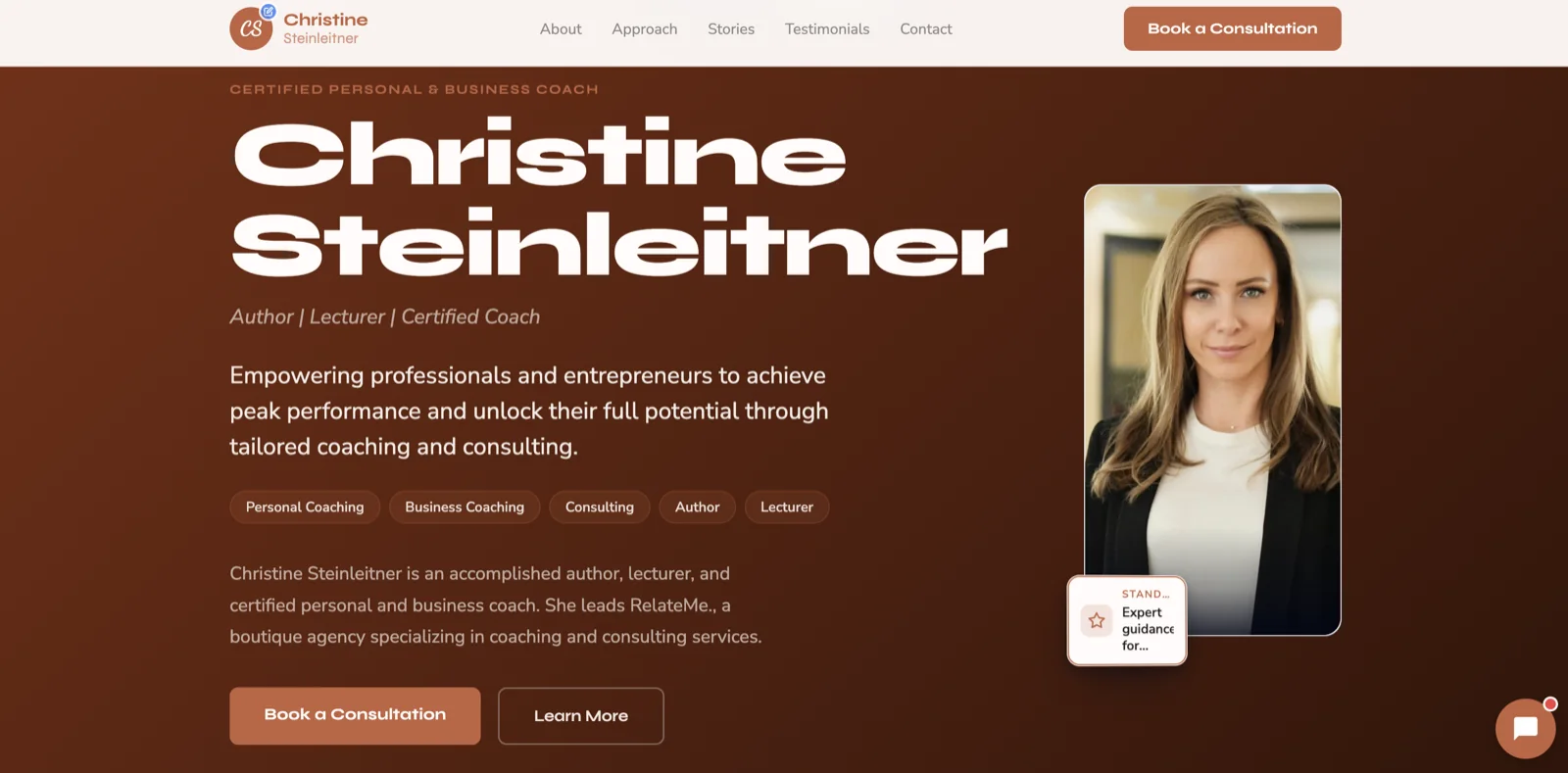
Curious what yours would look like?
Local business or professional — Neuro builds your site from your own data in about 60 seconds.
Build my demo in 60 seconds →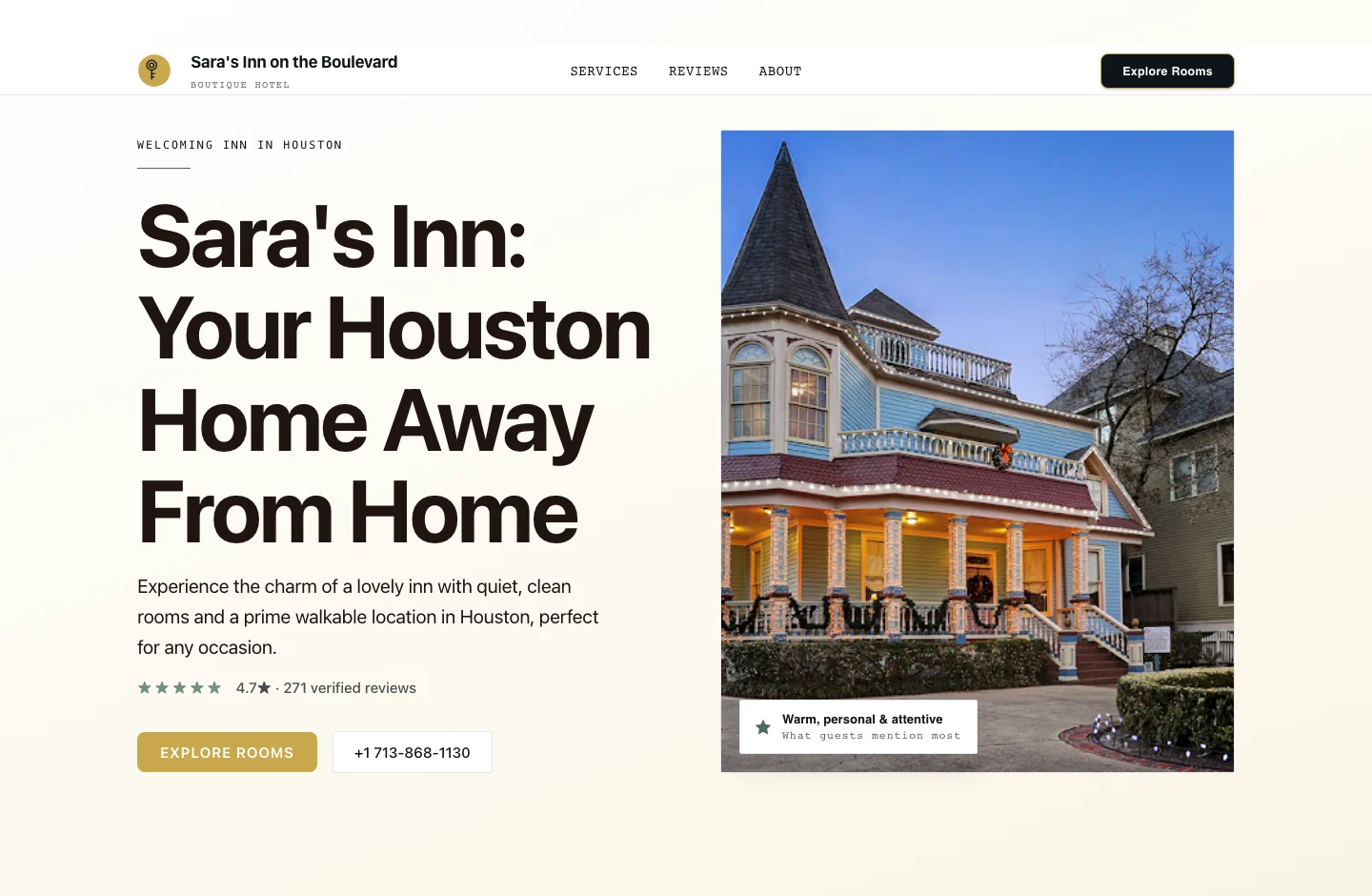

Having a Google Business Profile is good. It is not the same as being readable.
A profile confirms you exist, where you are, and roughly what category you're in. That's a start, not a finish.
It doesn't say what makes you different from the five other businesses in the same category. It doesn't explain your pricing philosophy, your specialty, or answer the specific question a customer just asked.
An unclaimed directory listing is even thinner. Often it's just a name, an address, and a phone number someone else typed in years ago — sometimes wrong.
A social media page sits somewhere in between. It shows you're active. It rarely shows the assistant a clear, structured answer to "what do you do and for whom."
A real website is still the anchor. It's the one place an assistant can point to and say "here's where I got this." Everything else — your profile, your reviews, your social presence — feeds information into that anchor. None of it replaces it.
This is the same gap that shows up when customers can't find a business online at all — it's just a newer version of an old problem. The business is there. The information isn't legible.
No, this doesn't replace Google — it sits next to it
It's tempting to hear all this and assume traditional search is dying. It isn't.
People still Google things. A lot of things.
Someone comparing three dentists side by side, reading reviews, looking at photos of the office — that's still a search-results kind of task. They want options, not a single answer.
Someone typing a very specific, narrow question — "emergency plumber open now near me" — is increasingly the AI-assistant kind of task. They want one good answer, fast.
Both behaviors are real, and both are growing. They just serve different moments.
A browsing, comparing customer still lands on a results page.
A deciding, urgent customer increasingly asks an assistant and takes the first solid name it gives them.
That means you're not choosing between optimizing for Google or optimizing for AI. You need to show up well in both — because you don't get to pick which mode your next customer is in when they go looking.
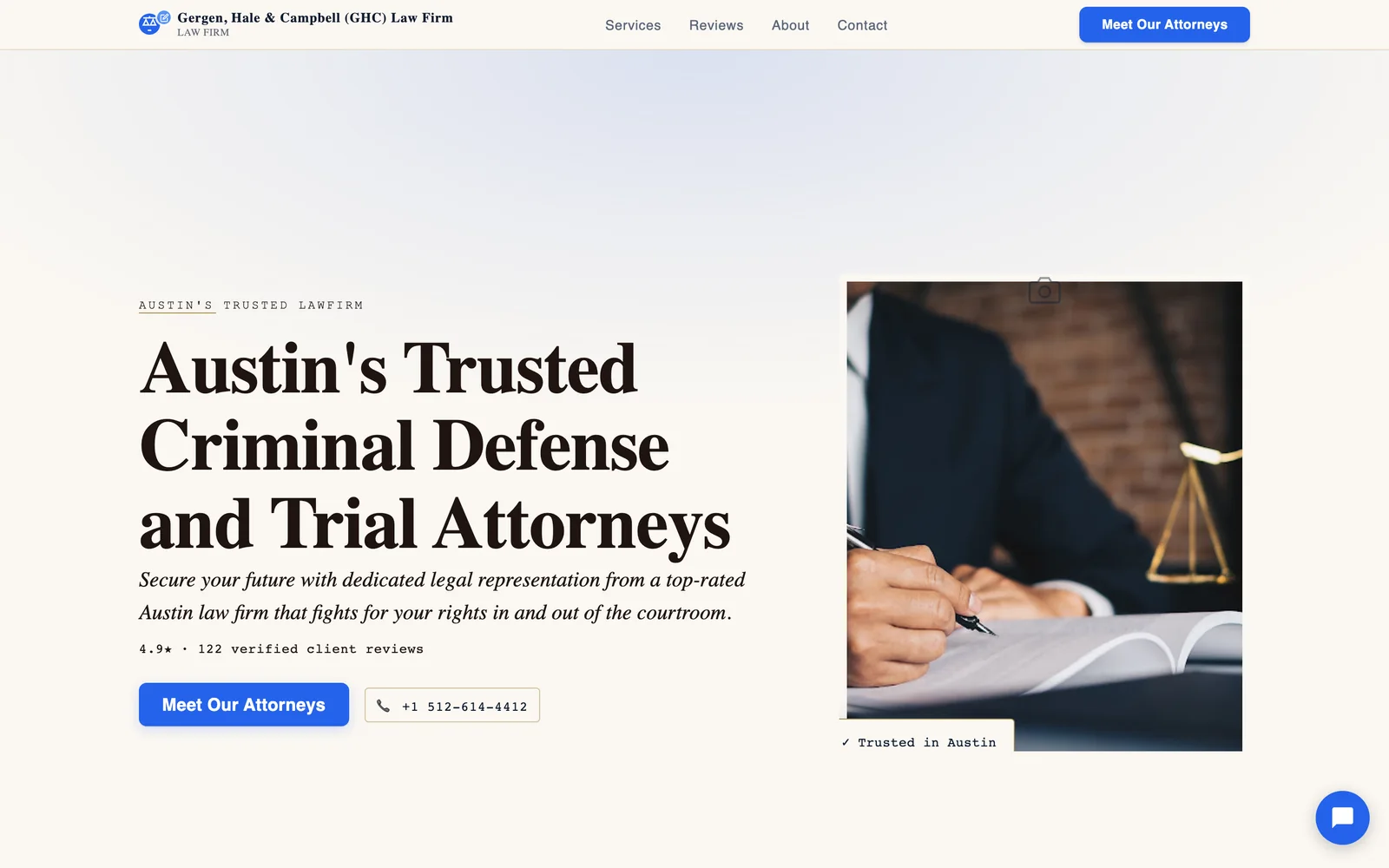
This shift shows up differently by industry, too. A law firm client researching a serious matter tends to compare several options carefully — worth reading how law firms get more clients for that angle. A patient asking "who treats back pain near me" is often in a much faster, single-answer mode — see how chiropractors get more patients for how that plays out.
What actually changes for you, day to day
Strip away the jargon and here's the practical shift.
It used to be enough to exist online and rank reasonably well.
Now you need to be explainable — a business an AI system can summarize accurately in one or two sentences, using only what it can find and verify.
SEO asks: can Google find this page and rank it fairly?
Being AI-readable asks: can a machine read this page and confidently repeat it back as a recommendation?
A clean, well-structured, up-to-date website answers both. You're not maintaining two separate systems. You're maintaining one good one.
The businesses that show up in AI answers aren't the loudest. They're the clearest.
The honest state of play right now
Most small businesses aren't ready for this yet — not because they're behind on some new trend, but because the basics were never quite finished.
No website, or a website that's five years stale. Details that don't match across platforms. Reviews with no way for an assistant to connect them to a real, current business.
That's not a competitive disadvantage against better businesses. It's an invisibility problem against clearer ones.
Which is good news if you're reading this before most of your competitors have caught on. The bar to become the "readable" one in your market is lower than it looks — mostly having your basic information in one clear, current, honest place.
Some owners fix this themselves, one page at a time. Others hand the upkeep to a tool built for it — Neuro is one option built specifically for this — but the work is the same either way: be the business the machine can actually explain.
Frequently asked questions
Is AI search actually replacing Google search?
What's the difference between ranking on Google and being recommended by an AI assistant?
Does having a Google Business Profile mean AI assistants can already find me?
Can a small local business really compete with bigger companies in AI search?
How do I know if my business is currently AI-readable?
Does Neuro handle this, or do I have to do it myself?
See what Neuro would build for you
Build your demo from your own data in about 60 seconds — then watch your AI team take it live and grow it.
Build my demo in 60 seconds → Explore the showcaseJust need the website itself — no ongoing marketing? See Essential — $39/year →